
You can care deeply about a cat and still be unable to take it home. Your building may not allow pets. Your existing animals may need all the space you have. You may be in Thailand for a short visit, with a flight booked and no realistic long-term plan.
The useful response is not to make a promise you cannot keep. It is to find a task that a rescue or responsible carer actually needs, then match it to the time, money or skills you can offer. Helping rescue cats in Thailand without adopting can be practical and substantial, even when it never produces a photograph of you holding a kitten.
Start with one question: “What would be useful to you right now?” That usually leads somewhere better than arriving with a bag of things you hope will help.
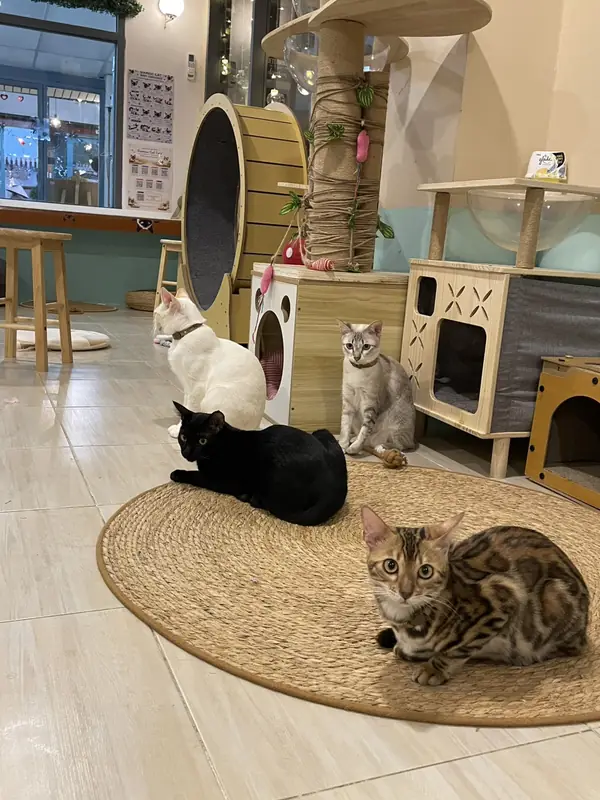
Ask before you shop
A donation drive can look generous while leaving a carer with items they cannot use. Before buying food, litter, cleaning products or bedding, ask for the current wish list and any restrictions. Find out whether the requested item needs to be a particular type and whether the organisation has storage space.
The same applies to second-hand supplies. A spare carrier may be useful, but only if it is secure, clean and something the recipient can accept. An enormous bag of unsuitable belongings creates another sorting job. The aim is to take work off someone's hands.
When giving money, use the organisation's independently confirmed channel. Read what the appeal is funding and how the recipient reports its use. A compelling photograph and an urgent caption do not, by themselves, establish who receives the money. It is reasonable to ask a straightforward question before donating.
Do not send leftover medication or suggest a treatment yourself. Veterinary needs belong with the treating professional and the responsible carer. Financial help towards an agreed care plan is different from deciding what medicine a cat should receive.
Offer a task, not a vague promise
“I can help with anything” sounds kind, but it asks the organiser to invent a job, assess your skills and fit you into a schedule. A specific offer is easier to answer.
For example, you might say: “I can format four adoption profiles from information you approve, and send the files by Friday.” Or: “I can help sort the supplies you have already requested on a day we agree.” These are suggested messages, not claims about volunteering opportunities currently available at our café.
Photography, translation, administration and transport can all be worth discussing with a rescue. The organisation should decide whether it needs that work, what preparation is required and who is responsible for approving the result. Offering language help is especially useful when it makes an existing message clearer without changing the cat's health details or adoption conditions.
For transport involving animals, do not improvise the handover. Agree on the responsible person, secure carrier, destination and what to do if the plan changes. Someone who owns a car is not automatically trained to handle a frightened or injured cat.
A careful share beats an emotional rewrite
An adoption post should help the right person reach the right carer. Before sharing it, check whether the cat is still looking for a home, whether the contact details are current, and whether the original poster has authorised the information and photographs.
Keep the facts that affect a decision. That includes the cat's location, known needs, the application process and anything the carer says remains uncertain. Do not turn “has lived with one calm dog” into “great with all dogs.” Do not change “age estimated” into an exact birthday. Those little edits can create very different expectations.
Resist adding a deadline or a tragic backstory that the carer has not supplied. A clear account gives someone a reason to ask useful questions. A more dramatic version may bring attention but leave the rescue spending time correcting it.
If your audience uses another language, ask for approval of the translation before circulating it. Once the original appeal changes or the cat has found a home, update or remove your copy. Keeping an old plea alive is not the same as keeping a cat visible.
Fostering is help, but it is still daily responsibility
Temporary fostering can be valuable, but it should not be presented as the easy option for everyone who cannot adopt. A foster cat still needs a suitable space, household agreement, daily care and a plan for veterinary decisions. “Only for a little while” can become a much larger commitment if the next home is delayed.
Before agreeing, ask who supplies food and equipment, who pays approved expenses, who makes treatment decisions, and who is available when a problem arises. Discuss how the placement ends and what happens if the expected end date changes. Put the practical arrangement in writing so nobody has to reconstruct it from memory during a stressful moment.
If those responsibilities do not fit your situation, choose another form of support. Fostering is not a test of how much you love cats. For anyone considering a permanent home instead, our pre-adoption questions guide explores the longer commitment.
What makes sense during a short stay in Thailand?
Be honest about the time you have. A short visit may fit a pre-arranged supply delivery, an approved remote task, or a donation through a verified channel. It may not fit work that requires substantial training, a fixed weekly schedule or continuity after you leave.
Contact the organisation before travelling to it. Ask whether it currently accepts visitors or volunteers, whether an appointment is needed, and what participation involves. An old travel article cannot confirm today's opening arrangements or available roles.
For a cat that appears injured or in immediate difficulty, seek advice from a local veterinarian or appropriate rescue contact and describe what you can safely observe. Do not walk into traffic, attempt unfamiliar handling, or assume a café can receive an unexpected animal. A precise location and a calm explanation are more useful than putting yourself or the cat in further danger.
Do not treat an overseas flight as an adoption plan. International travel with an animal is a separate process that needs current professional and official guidance. This article is about providing help in Thailand, not arranging an export on the way to the airport.
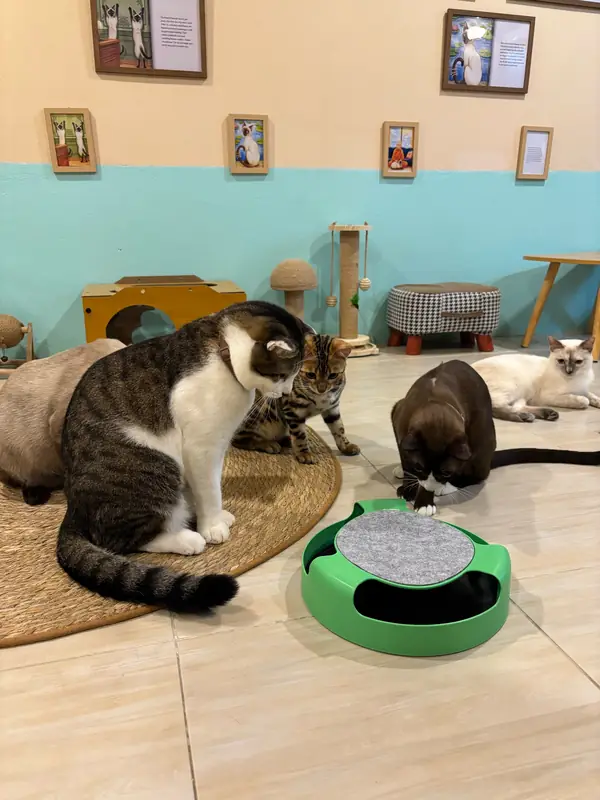
Visiting a rescue-minded café is a different kind of support
At Siamese Cat Café, our resident cats are already home. They are not available for visitors to adopt. A visit is a way to learn about those individuals and support the business caring for them; a purchase should not be described as a direct donation to an independent rescue unless a specific arrangement has been clearly announced.
Our comparison of Bangkok cafés connected with rescue and adoption explains why different cafés have different roles. It is the more useful page for choosing a venue. Here, the important point is to know what your action does rather than assume all rescue-related visits work the same way.
We are proposing Siamese Cat Adoption Day partly to make these different contributions visible. Some people can provide a permanent home. Other people can make the work around that home more manageable.
Before closing this page, choose one person or organisation to contact and one realistic offer to make. A small task completed properly leaves less for someone else to carry. That is a good place to begin.